Internal doors are one of the most used elements in any home, yet they’re often one of the least thought about once installed. Opened dozens of times a day, brushed past, knocked by furniture and exposed to changing temperatures, doors quietly take a lot of wear.
The good news is that LPD Doors are built with durability in mind. With a little ongoing care, they’ll continue to look great and function smoothly for many years. This guide explains how to look after different LPD door finishes, how to prevent common issues, and how to deal with everyday wear without panic.
Why Caring For Your Doors Really Matters
Proper door care isn’t just about appearance. When doors are cleaned, protected and maintained correctly, they’re less likely to stick, warp, chip or need premature replacement. Hinges stay aligned, finishes last longer, and repainting becomes an occasional refresh rather than a recurring chore.
LPD doors are typically constructed using engineered cores designed to improve stability, but even the best materials benefit from sensible aftercare, especially in modern homes where central heating and insulation can create dry or fluctuating conditions.
Cleaning LPD doors: Simple Habits Make a Big Difference
For day-to-day cleaning, less really is more. A soft cloth, warm water and a small amount of mild detergent are all you need to remove dust, fingerprints and everyday marks. Once cleaned, drying the surface straight away helps prevent streaks and avoids moisture sitting on the finish.
It’s tempting to reach for stronger cleaners, especially in busy households, but harsh chemicals and abrasive pads can gradually dull the surface or damage veneers. If a mark won’t shift easily, it’s better to repeat gentle cleaning than escalate to aggressive products.
Caring for Different LPD Internal Door Finishes
How you care for your LPD internal doors will depend on which type you choose:
White Primed and Black Primed Doors
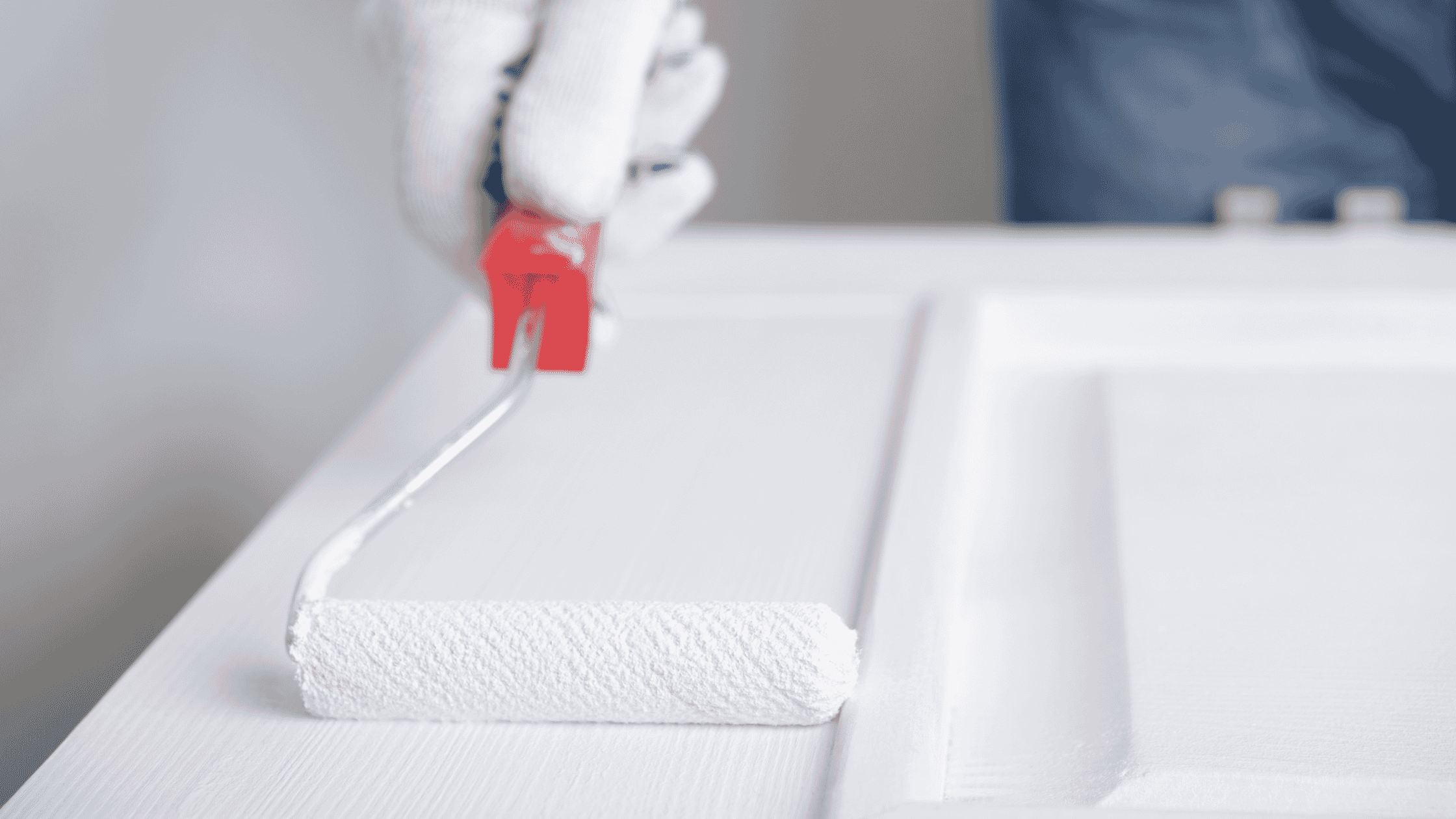
Primed doors are designed as a base for painting, not as a final finish. Once installed, an LPD primed door should really be painted as soon as practical to seal the surface and protect the door from moisture and dirt.
Using a good-quality interior wood paint and applying it in thin, even coats will give the best result. Painting both faces and all exposed edges is important, particularly if the door has been trimmed. Leaving a primed door unpainted for long periods can allow uneven moisture absorption, which may affect the finish over time.
Prefinished Doors
Prefinished LPD doors are factory-coated to provide a consistent, durable surface straight out of the box. They’re ideal if you want to minimise on-site work and achieve a uniform look throughout the home.
Although they’re low maintenance, they still benefit from gentle cleaning and a bit of care. Avoid attempting spot repairs with off-the-shelf paints unless you’re certain of a colour match, as patchy touch-ups can stand out more than the original mark.
Veneered Doors (oak, walnut and other wood finishes)
Veneered doors add warmth and character, but they should be treated more like furniture than laminate. Regular dusting prevents fine particles from dulling the surface, while occasional wiping with a lightly damp cloth keeps them fresh.
What they don’t like is excess moisture or prolonged exposure to heat. Positioning veneered doors away from radiators where possible and avoiding over-wet cleaning, helps preserve the veneer’s appearance and prevent lifting or discolouration.
Preventing Warping and Movement Over Time
Even engineered doors respond to their environment. Large swings in temperature or humidity can cause materials to expand and contract, which may lead to minor movement if left unmanaged.
Keeping your home well ventilated, maintaining consistent heating levels and sealing all exposed edges of an LPD door after trimming go a long way towards preventing issues. Kitchens, bathrooms and utility rooms deserve particular attention as moisture levels fluctuate more frequently in these spaces.
Dealing with Small Knocks, Chips and Everyday Wear
Minor damage is part of normal use, especially in busy homes. Small chips or scuffs are best dealt with early, before moisture or dirt can penetrate the surface.
For painted doors, this usually means lightly sanding the affected area, touching up with matching paint and allowing it to dry fully. Veneered doors may benefit from specialist repair kits designed to blend rather than completely cover marks. Ignoring small imperfections rarely makes them disappear and can lead to more visible damage later on.
Looking After Hinges, Handles and Moving Parts
A door’s performance isn’t just about the leaf itself. Hinges, handles and latches all play a role in how smoothly a door operates and how much strain it puts on the frame.
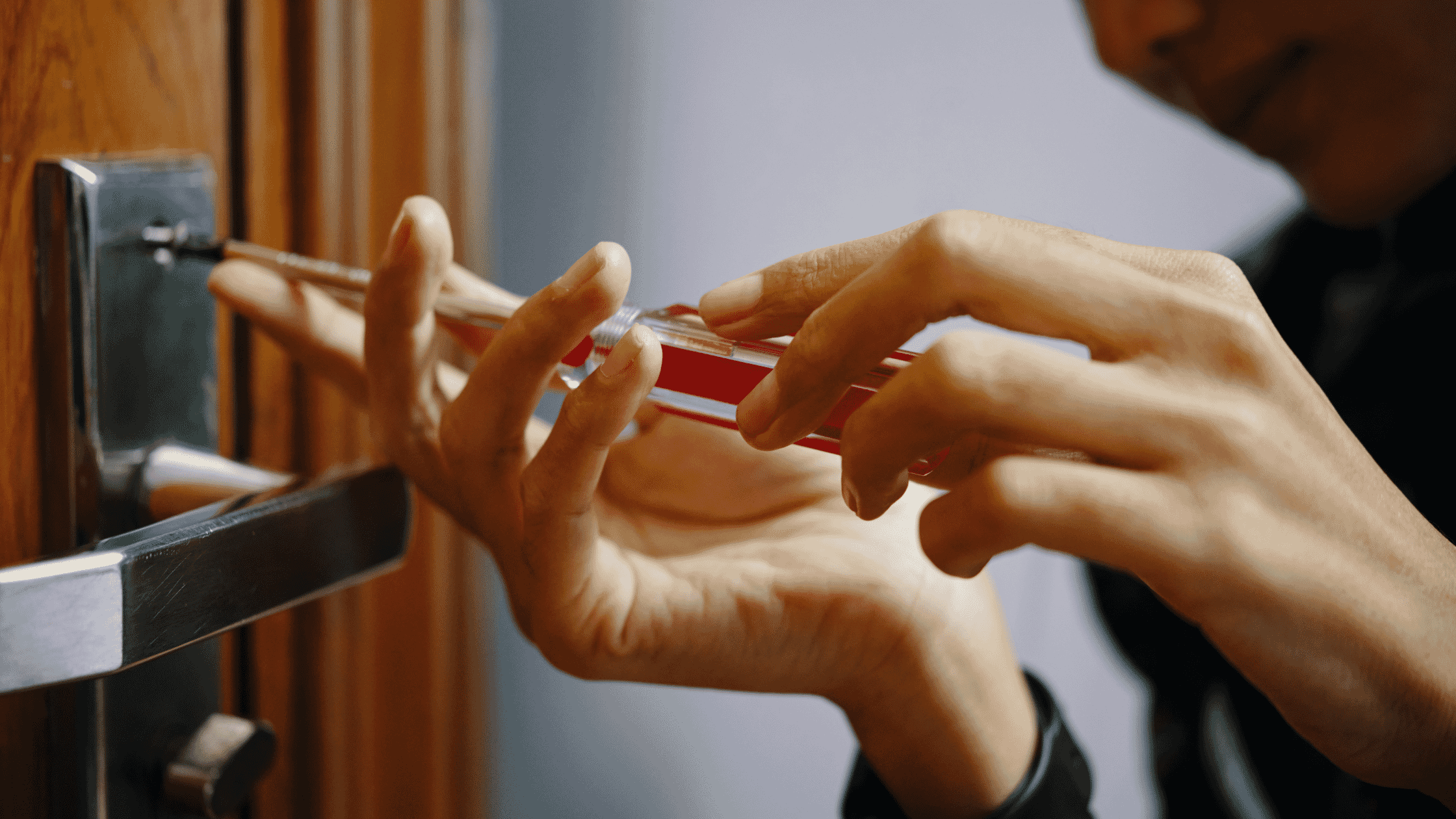
Occasionally checking that screws are secure, addressing squeaks early, and ensuring handles operate cleanly helps prevent long-term issues. Poorly maintained ironmongery can cause doors to drop or rub, leading to unnecessary wear along edges.
Repainting and Refreshing Your LPD Doors
One of the advantages of primed LPD doors is how easily they can be repainted if your interior style changes. Good preparation is key. Cleaning the surface thoroughly, lightly sanding between coats and using suitable interior wood paints will produce a smooth, long-lasting finish.
Rushing the job or painting over dirt and grease often leads to peeling or uneven coverage, which can be more frustrating to fix than taking a little extra time upfront.
Extra Care for Fire Doors
Fire-rated LPD doors need a bit more attention. Intumescent seals should never be removed, damaged or painted over, as they’re critical to fire performance. Similarly, fire-rated glazing systems should be left exactly as supplied.
Any cosmetic changes that interfere with these parts of the door can compromise safety and invalidate certification, so it’s always best to follow manufacturer guidance closely with these types of doors.
How often should you maintain your doors?
You don’t need a strict schedule, but a sensible routine helps. Light cleaning every few weeks, a visual inspection once or twice a year and addressing small issues promptly will keep doors looking good and working properly.
Repainting or refreshing tends to be driven more by décor changes than wear, especially if the doors have been well looked after from the start.
A Little Care Goes a Long Way
LPD doors are designed to be durable, stylish and practical, but like any part of your home, they reward a bit of attention. Thoughtful cleaning, stable conditions and quick fixes for minor damage helps make sure your doors continue to look good and perform well long after installation.
In short, good door care isn’t complicated, it just needs to be consistent. Look after your LPD doors and they’ll look after you!

 Order Helpline:
 Search
 Email
Email Cart (0)